


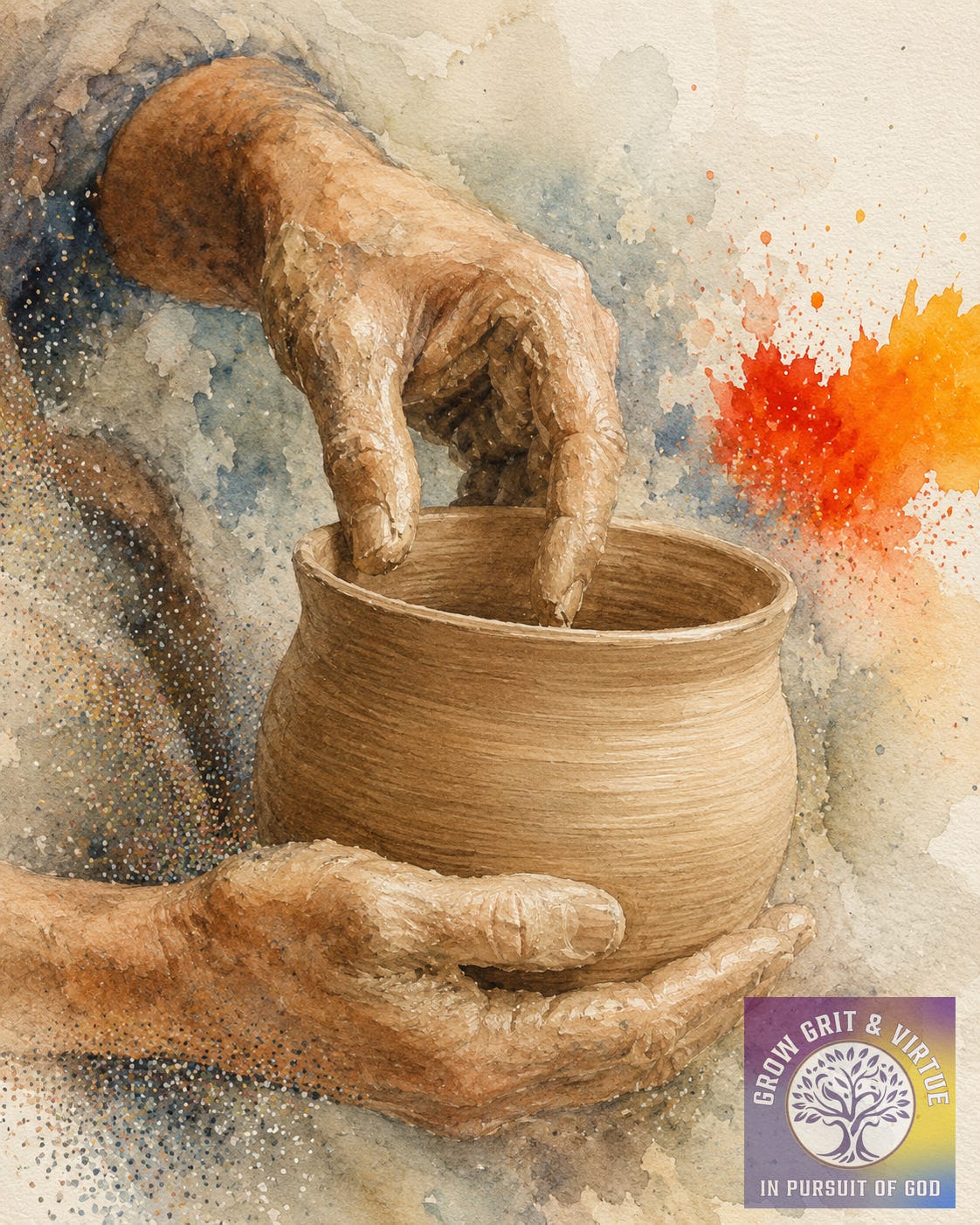
The most dangerous lies we encounter come wrapped in truth. Take the phrase be true to yourself. At one level, it points toward something real. A person should not live as a fraud. But once that counsel is untethered from truth, character, and reality outside the self, it becomes a license to baptize impulse as authenticity. That is how many dangerous ideas work. They begin with something real, then stretch it until it becomes false.
The modern fantasy that a person can author himself from scratch is one of the most persuasive lies of our age.
That lie did not appear overnight. It has been working on us for nearly a century. In the long shadow of the Great Depression, when economic collapse had rattled the country and millions of Americans were trying to find a way back to security, confidence, and a sense of worth, the culture learned to speak a new moral language of self-invention, personal magnetism, and success through inner mastery. Dale Carnegie told ordinary people they could learn to “win friends and influence people.” Napoleon Hill promised they could “think and grow rich.” The implication ran deeper than a call to hard work and responsibility. It was that the right techniques, mindset, and presentation could refashion a life from the inside out.
A few decades later, the human potential movement preached that beneath your ordinary life lay buried greatness waiting to be released. At places like Esalen, people flocked to encounter groups, bodywork, consciousness workshops, and weekend seminars built around the idea that the self could be unlocked, expanded, optimized, and transformed. Then came the mass-market gurus, the productivity prophets, the daytime therapists, the empowerment industry, the conference circuits, the makeover shows, and the vision boards. Rows of books on leadership, influence, habits, communication, mindset, productivity, vision, and success lined airport bookstores and Barnes and Noble. Stephen Covey gave us a system of habits and Tony Robbins filled stadiums while Oprah took it straight to our family rooms with the language of becoming your best self and living your best life. The internet took all of it and metastasized it. What had once been preached in books, seminars, and television was now woven into feeds, metrics, followers, platforms, and income streams. The self was no longer just something to improve, it became something to package, display, monetize, and perpetually revise.
