


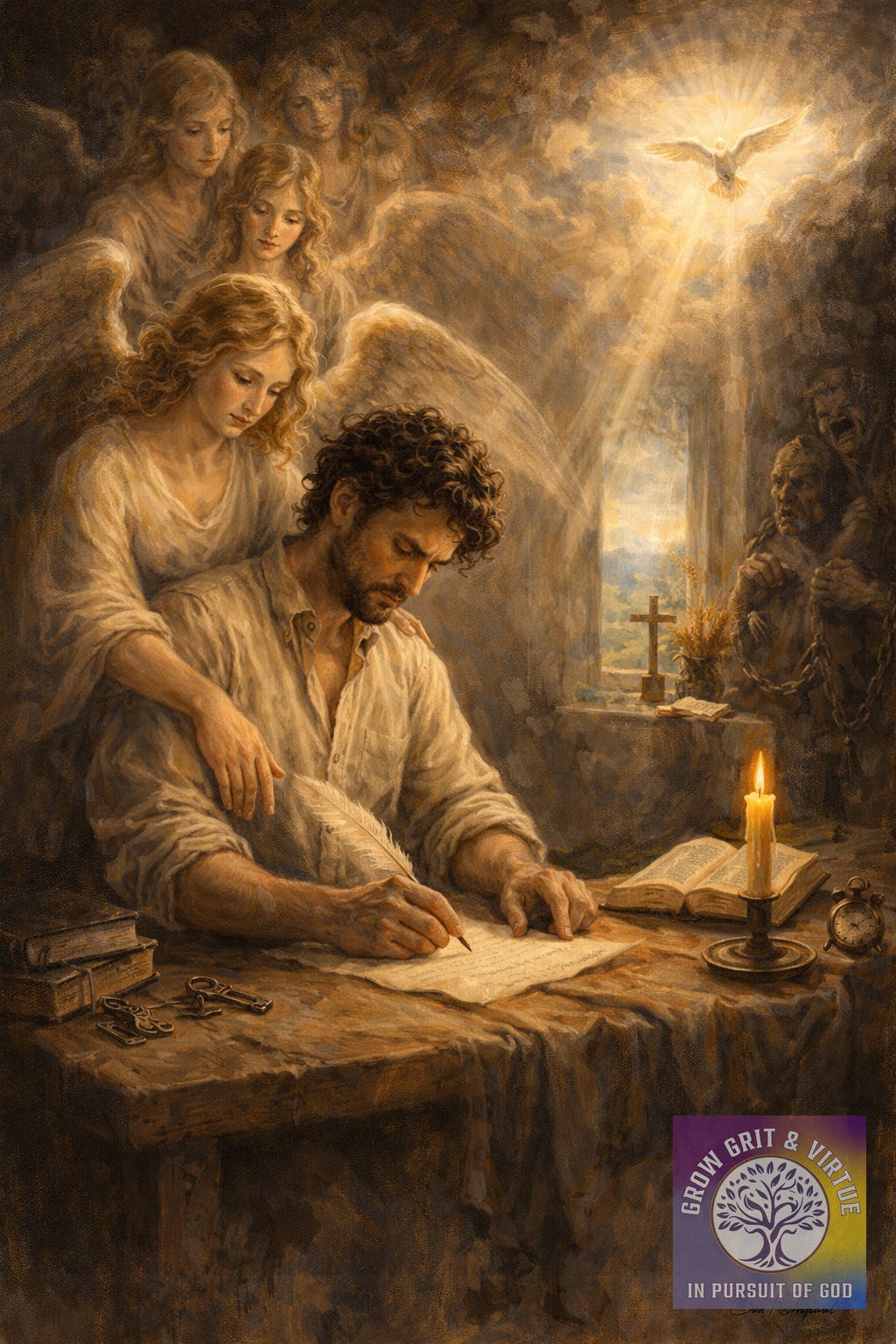
Self-discipline is the only path to true ordered freedom, because it is the way a person learns to choose what is actually good instead of being pushed around by chaos, appetite, mood, or impulse. But beginning that training is not the same thing as sustaining it. Once a person starts redirecting his inner life toward God, the real question becomes how that new order is maintained over time without collapsing into exhaustion, pressure, or self-reliance. That is where the will matters so much. The will is not a decorative voice in the soul, and it is not meant to sit quietly in the corner while stronger desires take over. It is meant to govern under God. And for that government to become steady and enduring, the Christian life depends on three sustaining helps: patience, prudence, and grace. Patience teaches us to endure the slow work of change. Prudence teaches us how to order daily life so obedience becomes more possible. Grace strengthens the will so discipline does not turn into a project of self-salvation. Without these, self-discipline falters. With them, the soul begins to grow into the kind of order that makes real freedom possible.
A lot of people live as if the strongest feeling in the room should get the final say.
If they feel tired, tired wins. If they feel angry, anger wins. If they feel lonely, loneliness wins. If they feel desire, desire wins. If they feel anxious, anxiety wins. If they feel bored, boredom wins. They may still say they believe in God. They may still want to be decent. They may still hate the mess they keep making. But when the moment comes, the loudest voice inside them takes over.
Then afterward they say, “I don’t know what happened,” even though, in one sense, they do know. They did not choose what was best. They obeyed what was loudest.
That is one of the clearest signs that the inner life is out of order.
By inner life I simply mean everything going on inside you: your thoughts, memories, feelings, cravings, fears, images, habits, impulses, and desires. Most people know what it feels like when that inner life is a mess. Part of them wants to pray, and another part wants to scroll. Part of them wants to forgive, and another part wants to punish. Part of them wants to be honest, and another part wants to hide. Part of them wants peace, and another part is feeding the very thing that destroys it.
This inner division is exhausting. It is one reason so many people feel weak, even when they are strong in other areas of life. They can manage projects, build careers, solve problems, and care for other people, yet still feel strangely unable to govern themselves. Their inner world feels like a room where too many people are shouting at once.
That is where the will comes in.
The will is the part of you that says yes or no. It is the power by which you choose. It is what moves you from wish to action. You may want ten different things at once, but the will is what finally leans in one direction and says, “This is what I am going to do.”
That is why your will should not be treated like a suggestion box.
