


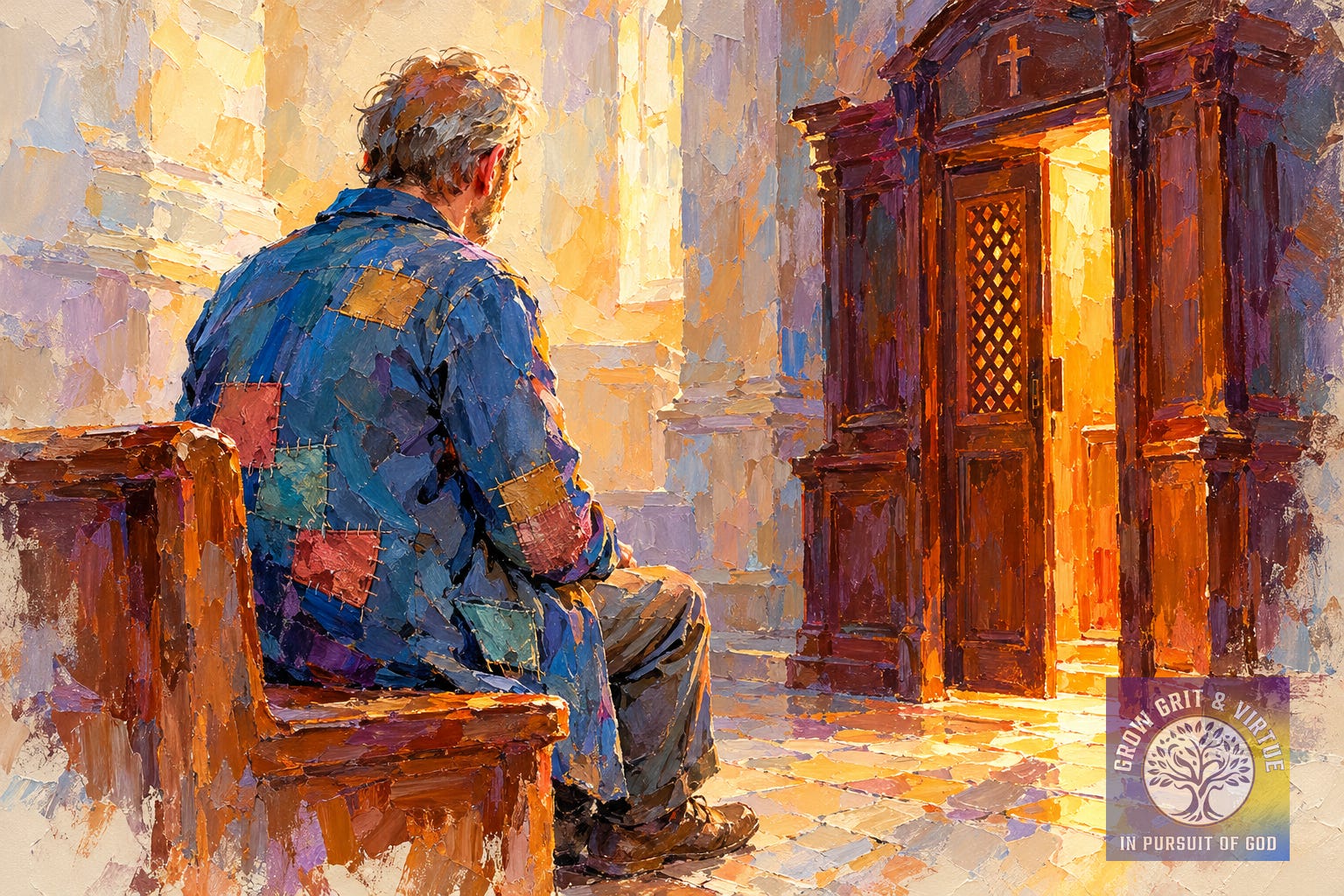
Everything is more fragile than it looks. The power grid, the government, the banks, the price of gas, and the whole arrangement that gets produce and meat onto the shelves at HEB. Any of it can go south any day of the week. I don’t argue with that. I’ve lived long enough to watch plenty of sure things stop being sure.
This month it was the internet’s turn. Most of the world’s websites run on PHP, a computer language a guy wrote in 1994 to keep track of who was reading his résumé. Then the whole world adopted it. Recently someone found a serious crack in it, and a handful of people spent weeks quietly fixing it before they told anybody it was broken. I know there are other ways to read that story. But I felt an odd relief when I heard it, and at my age I take relief wherever it turns up.
Here’s why. The thing has been nearly breaking for thirty years, and it’s still here, like every farmhouse screen door I’ve every seen, held shut by a bent nail. Nobody ever replaced those doors. Somebody just kept fixing them. Most things that last, I’ve come to believe, last that way. Not by being strong. By being looked after.
My grandfather was born in 1912, and for as long as I knew him he had the same shed in the backyard, full of the same tools. Nobody knew where they came from. His father, probably, or some other old man who was already old when my grandfather was young. The handles were dark from hands, age, dirt and sweat. The saws got sharpened, the hinges got oiled, and nothing in there was ever thrown out for being old. When he died, the tools were still hanging where they always hung, ready to outlive one more owner.
My parents were the same way. One vacuum, one iron, one coffee pot, and a television with rabbit ears my father kept in tune with a coat hanger and foil. When something broke, a repairman came to the house with a little case of parts, or my father went to the junk drawer, which held a screw for everything ever made. I’ve lost count of the vacuums and coffee makers I’ve gone through since. We’d rather replace than repair, and now and then that includes the spouse. But the marriages that reach fifty years aren’t the ones where nothing went wrong. They’re the ones with the longest list of repairs.
I converted to Catholicism as a grown man, and of everything I found there, the thing I’m most thankful for is confession. I sit down across from a priest and say out loud what I’ve broken. Not in general terms, either. By name. Then I hear the words of absolution and walk out lighter than I walked in. I didn’t grow up with it, so I’ve never learned to take it for granted. There’s no other place in my life where I can bring what’s broken and hear, with real authority, that it has been mended. It’s the best repair shop I know of, and it has been open for two thousand years.
I am what the computer people call a legacy system. I shipped decades ago with known issues. But most Saturday afternoons you’ll find me in line for the update. I’m told it’s free, and that the One who wrote the original never minds being asked.